Small Wine Rooms
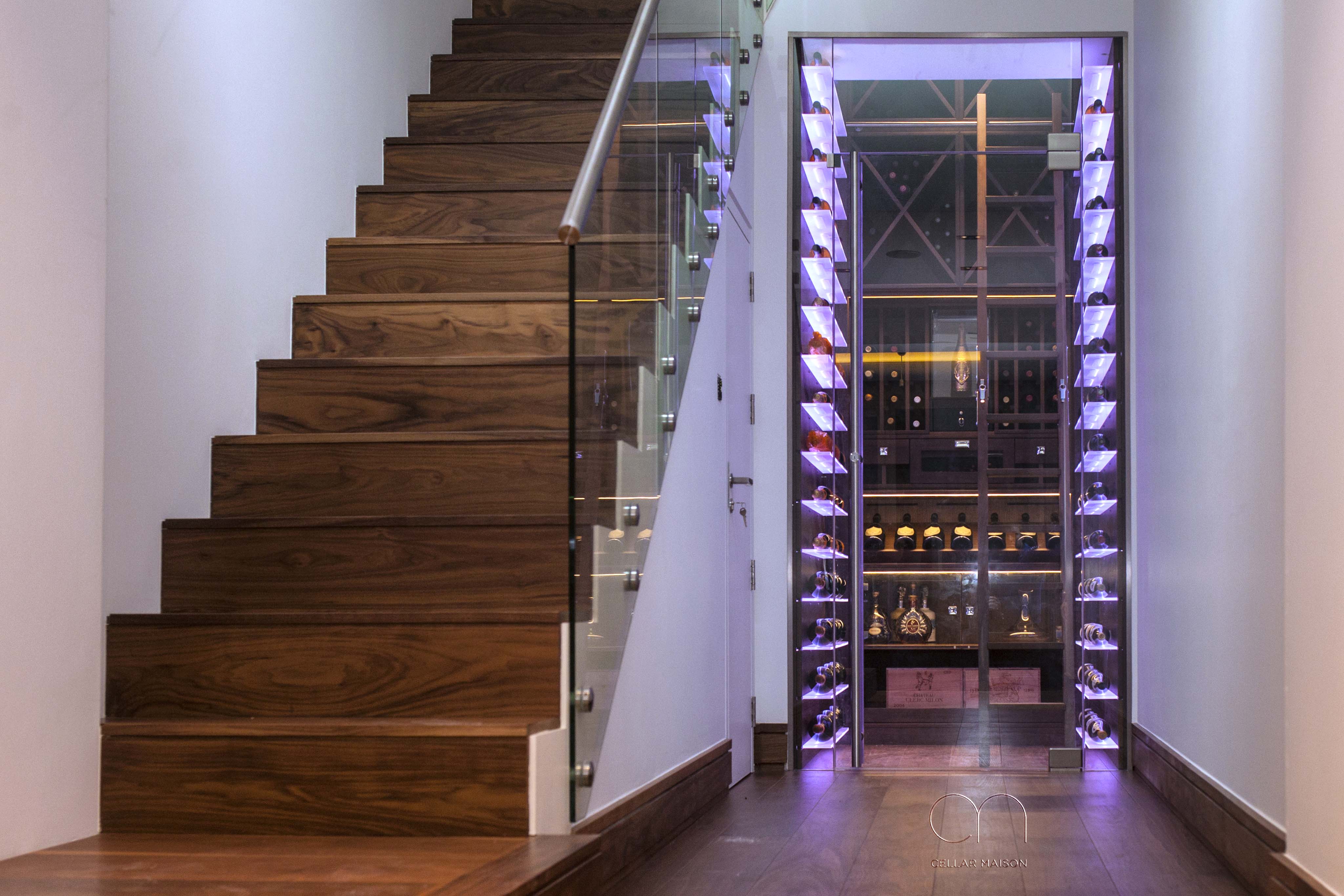
A dedicated wine room does not need to be large.
Many UK homes have compact spaces that can be turned into effective climate-controlled wine storage. Under-stairs areas, utility cupboards, alcoves, small storerooms and partitioned sections of larger rooms can all work well when planned correctly.
Encool supplies THENOW Air wine cellar cooling systems suitable for small wine rooms from 5m³, including compact split systems for rooms, cabinets and enclosed wine displays.
For installers, designers and project teams, the key is early planning. The cooling system, insulation, vapour barrier, services and wine racking layout should be considered before the space is built.

Why small wine rooms make sense
Not every property has space for a full cellar. Not every client wants to give up an entire room.
A small wine room can provide the right balance between wine care, available floor space and lifestyle value. It gives the client a dedicated area for bottles they want close to hand, without sacrificing a major part of the home.
Small wine rooms work well for:
Compact private collections
Ready-to-drink bottles kept at home
Under-stairs conversions
Utility cupboard conversions
Small storerooms
Partitioned sections of larger rooms
Compact wine walls
Enclosed wine displays
Hospitality projects with limited space
Some serious collectors and wine investors keep most of their collection in bonded storage. They may only need 100 to 500 bottles at home for drinking, entertaining and easy access.
For this type of project, a small climate-controlled wine room can be a highly practical choice.
Cooling systems for rooms from 5m³
Encool supplies THENOW Air cooling systems suitable for small wine rooms starting from 5m³.
The VHSN-J15 split system is designed for wine cellars of approximately 5 to 15m³. It offers quiet operation at around 38dBA, making it well suited to compact residential spaces where performance and comfort both matter.
THENOW Air split systems also include built-in wet-film humidity control, helping support the stable conditions required for wine storage.
The correct system will depend on:
Room volume
Construction type
Insulation
Vapour barrier
Glazing area
Door specification
Target temperature
Racking layout
Condenser location
Pipework route
Power supply
Condensate drainage
Water supply, if humidity control is required
Service access

Planning matters more in small spaces
Small wine rooms need careful planning because every detail has more impact.
The room volume may be low, but technical coordination is still essential. The cooling unit must work with the room construction, airflow route and racking layout.
Before installation, the project team should agree:
Where the cooling unit or evaporator will be located
Where the condenser will be located
How refrigerant pipework will route between units
How condensate will drain
Where electrical supplies are required
Whether a water supply is needed for humidity control
How the room will be insulated
How the vapour barrier will be formed
How the door will seal
How bottles will be stored
How future service access will be maintained
An early sketch of the racking layout is useful. It helps show bottle capacity, airflow paths and access requirements before the space is committed.
Insulation and vapour barrier
A small wine room still needs a proper thermal envelope.
Insulation helps reduce heat gain and improves temperature stability. A vapour barrier helps control moisture movement into the cooled space and reduces condensation risk within the building structure.
This is especially important when the wine room sits inside a normal heated home. The wine space will often operate at a lower temperature than the surrounding rooms. The build-up must be planned to manage this difference.
We recommend that insulation and vapour barrier details are agreed before joinery, glazing or services are installed. Speak with us about potential space saving options around insulation, and what to avoid.
Under-stairs wine rooms
An under-stairs area is one of the most effective ways to use otherwise underused space.
The main design challenge is the shape. Angled ceilings, restricted access and small floor areas mean the cooling system, racking, lighting and services need to be coordinated early.
A well-planned under-stairs wine room can provide practical storage and a strong visual feature in a compact footprint.

Utility cupboards and small storerooms
Utility cupboards and small storerooms can also be suitable for wine storage when the construction allows.
These spaces may offer easier access to services, including power, condensate drainage and water supply where humidity control is required.
The key points are enclosure quality, airflow, heat rejection and access for future maintenance.
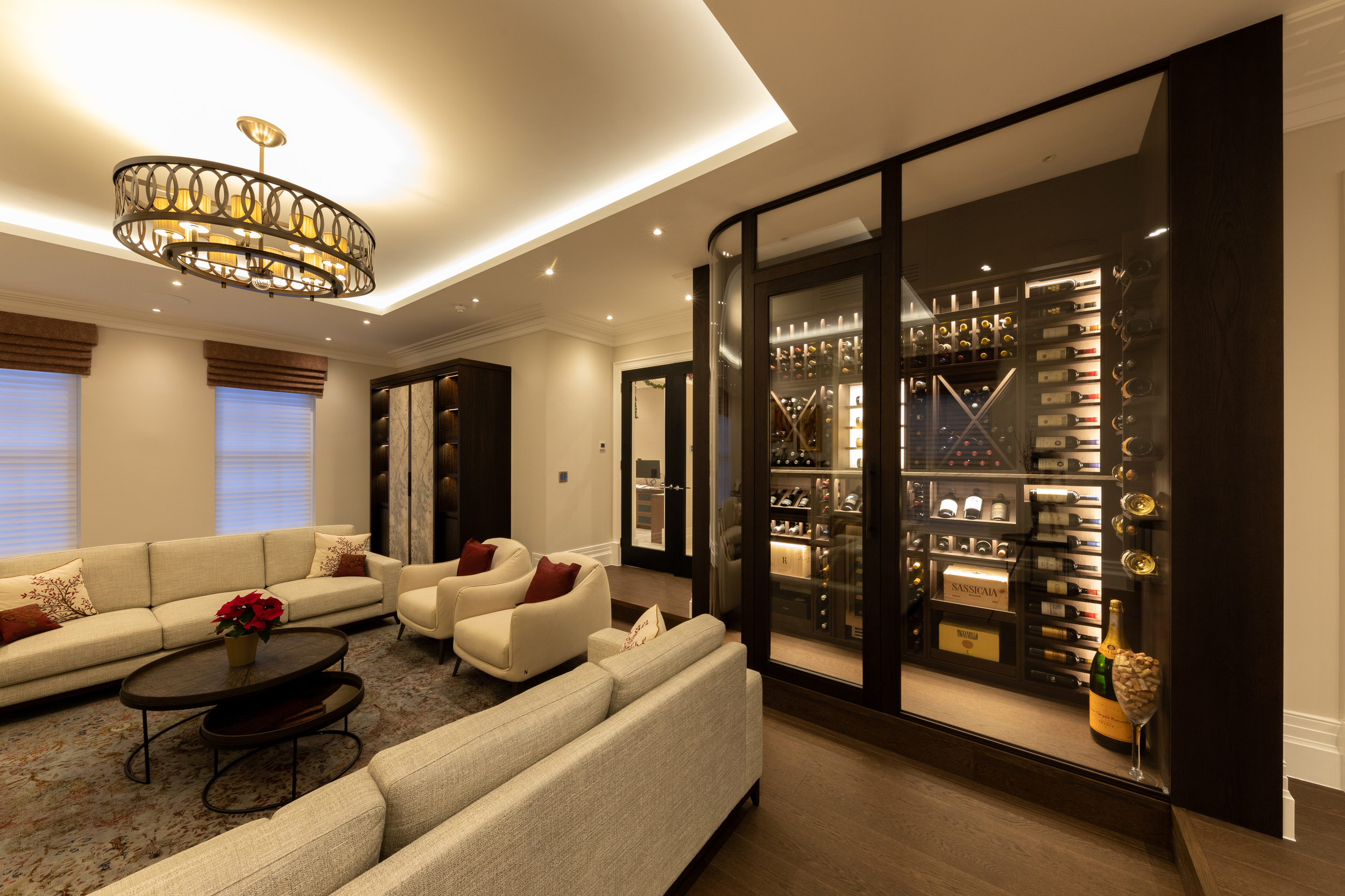
Small wine walls and enclosed displays
A wine wall gives strong visual impact with limited floor space.
Because wine walls often include glass, lighting and display racking, they need careful coordination. Glazing specification, door seals, airflow, humidity and temperature control all affect performance.
For compact wine walls, early cooling advice is important. The system should be considered before the glass, joinery and racking are finalised.
Best suited to trade-led planning
Encool works with refrigeration engineers, HVAC contractors, wine cellar specialists, designers, joinery teams and verified trade buyers.
For split systems, installation should be carried out by a suitably qualified F-gas engineer.
Early support helps avoid common project issues such as poor pipework routes, limited service access, weak room construction, unsuitable drainage or a cooling system selected too late in the process.
Speak with Encool
If you are planning a small wine room, compact cellar or wine wall, speak with the Encool team before the design is finalised.
Send us:
Room dimensions
Drawings or sketches
Photos of the space
Construction details
Glazing details
Proposed racking layout
Target temperature
Preferred condenser location
Service route constraints
We will help review the project and identify the most suitable THENOW Air cooling option.
A small wine room, planned properly, can protect the collection, improve the home and make better use of available space.
Speak to Encool about a small wine room cooling system